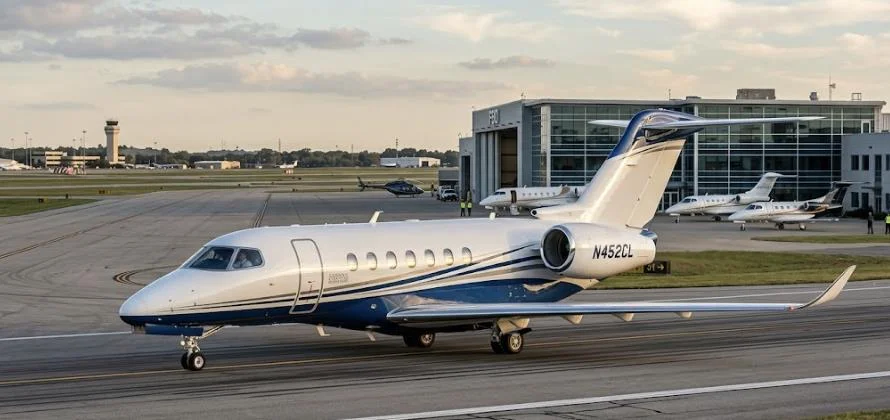
Private Jet Ownership vs Fractional vs Jet Card: Which is Best?
We analyze private jet ownership vs fractional vs jet card programs to help you choose the best private aviation path for your annual flying needs.
By PrivateJetNation · 5 min read
We analyze private jet ownership vs fractional vs jet card programs to help you choose the best private aviation path for your annual flying needs.
By PrivateJetNation · 5 min read
Comparing **private jet ownership vs fractional vs jet card** options is the best way to determine your ideal entry point into business aviation. The private aviation market today offers more ways to fly privately than at any point in history, which is great news for buyers but can make the initial decision feel overwhelming. Full ownership, fractional shares, and jet cards are the three main paths most buyers consider, and each makes sense for a different kind of flyer. Here is how to think through the choice.
Full ownership makes the most financial sense for buyers who fly more than 200 hours per year, have consistent routes and scheduling patterns, want complete control over how their aircraft is configured and maintained, and are comfortable with the capital and operational commitment involved.
The advantages of ownership are real. Your aircraft is always available on your schedule. It is maintained to your standards, staffed with your crew who know your preferences, and configured exactly the way you want it. There are no blackout dates, no peak surcharges, and no restrictions on how you use the aircraft.
The disadvantages are equally real. You bear all the fixed costs whether you fly or not, as explained in our guide on the cost of private jet ownership. Maintenance surprises are your problem. You need either the expertise to oversee a flight department or the overhead of a aircraft management company. And when the aircraft is down for scheduled maintenance, your only option is to charter a replacement.
Ownership is the right answer when the utilization and operational control justify the cost and complexity.
Fractional ownership programs let you buy a share of a specific aircraft, typically a 1/16 share corresponding to roughly 50 hours of annual flying up to a 1/2 share for 200 hours. You share the fixed costs with other owners, which brings the all-in cost per hour down compared to full ownership at lower utilization levels. The program operator handles all the operational complexity: crew, maintenance, scheduling, and compliance.
The largest fractional operators in the U.S. are NetJets, Flexjet, and Airshare. All three offer high-quality programs, though they differ in fleet composition, pricing structure, availability guarantees, and the overall service experience.
Fractional shares typically involve a multi-year commitment, an upfront share purchase price, monthly management fees, and an occupied hourly rate when you fly. Exit at the end of the program involves selling your share back, typically at a depreciated value. The total all-in cost for a 50-hour fractional owner in a light jet generally runs $350,000 to $500,000 per year.
Fractional ownership is a strong choice for buyers flying 50 to 150 hours per year who want guaranteed access, consistent aircraft and crew quality, and the predictability of a structured program without the full complexity of ownership. The crossover point in the **private jet ownership vs fractional vs jet card** analysis typically occurs around 50 to 100 flight hours per year.
Jet cards let you pre-purchase a block of flight hours, typically starting at 25 hours, at a fixed hourly rate. There is no multi-year commitment, no share purchase, and no management fee. You call when you want to fly, and the card provider arranges the flight.
The trade-offs for this flexibility include higher per-hour rates than fractional programs, variable availability during peak periods, and less consistency in crew and aircraft compared to fractional ownership. The best jet card programs from established operators like Sentient Jet and FlyExclusive provide strong safety standards and consistent service, but the experience can vary more than in a fractional program.
Jet cards typically make the best economic sense for buyers flying fewer than 50 hours per year. Below that threshold, the economics of fractional ownership rarely justify the upfront share cost and monthly fees.
If you fly more than 200 hours per year and want full control, own.
If you fly 50 to 200 hours per year, want program structure and consistency, and prefer not to manage a flight department, consider a fractional share.
If you fly fewer than 50 hours per year and value flexibility over consistency, a jet card is likely your best starting point.
Many private flyers use a combination of approaches, maintaining a fractional share for their core flying and supplementing with charter or jet cards for overflow periods or trips on aircraft types not covered by their primary program. There is no single right answer, but there is usually a clearly better answer once you honestly assess your flying patterns and priorities.
======================================================================== ======== Ultimately, the decision on **private jet ownership vs fractional vs jet card** depends on your need for consistency and control.
Private Jet Nation connects aircraft owners with resources, advisory services, and listings across the private aviation market. Explore privatejetnation.com.